
Reviews
Join the clients behind 87,000+ papers resolved since 2010
Google review excerpts from Utah clients.
They sent the affidavit promptly and even filed the Return of Service with the court for me.

If I ever need Summons served again I wouldn’t hesitate for ONE second…

…they were great at giving me updates and helping me stay informed along the way.

71 five-star reviews on Google.
What does a constable do in Utah?
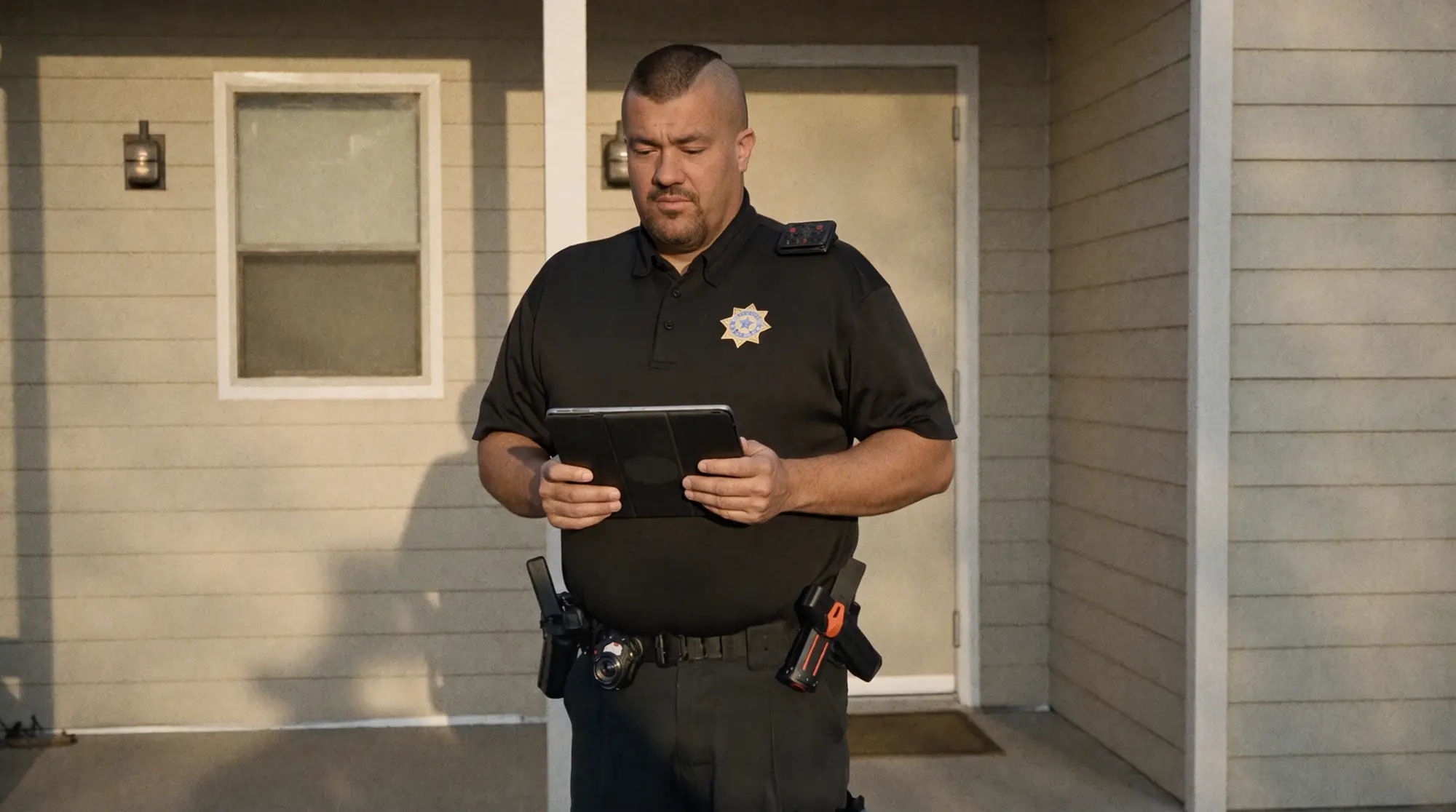
A constable serves court papers and carries out civil court orders. In Utah that means delivering summonses, subpoenas and divorce papers anywhere in the state, enforcing eviction orders, and carrying out writs that collect a judgment, like a writ of garnishment or a writ of execution (Utah Code 58-91-301). Under a writ, a constable can take and sell personal property such as a car. Writs against land or a house go to the sheriff instead.
Is a constable a real officer?
Yes. A Utah constable is a certified peace officer, the type the law calls a special function officer, trained through Utah POST. A county or city council selects the constable and signs a contract for up to four years (Utah Code 17-78-601). Starting January 1, 2027, every constable also needs a state license from the Division of Professional Licensing.
Why would a constable be looking for me?
Almost always because someone filed papers in a court case that involves you. The usual reasons:
- A lawsuit or small claims case, served as a summons and complaint
- Divorce, custody or support papers
- A subpoena to testify or hand over records
- An eviction notice or an order of restitution
- A writ of garnishment or execution to collect a court judgment
Constables also serve arrest warrants, but only while working for the city or county that hired them.
What happens if I avoid the constable?
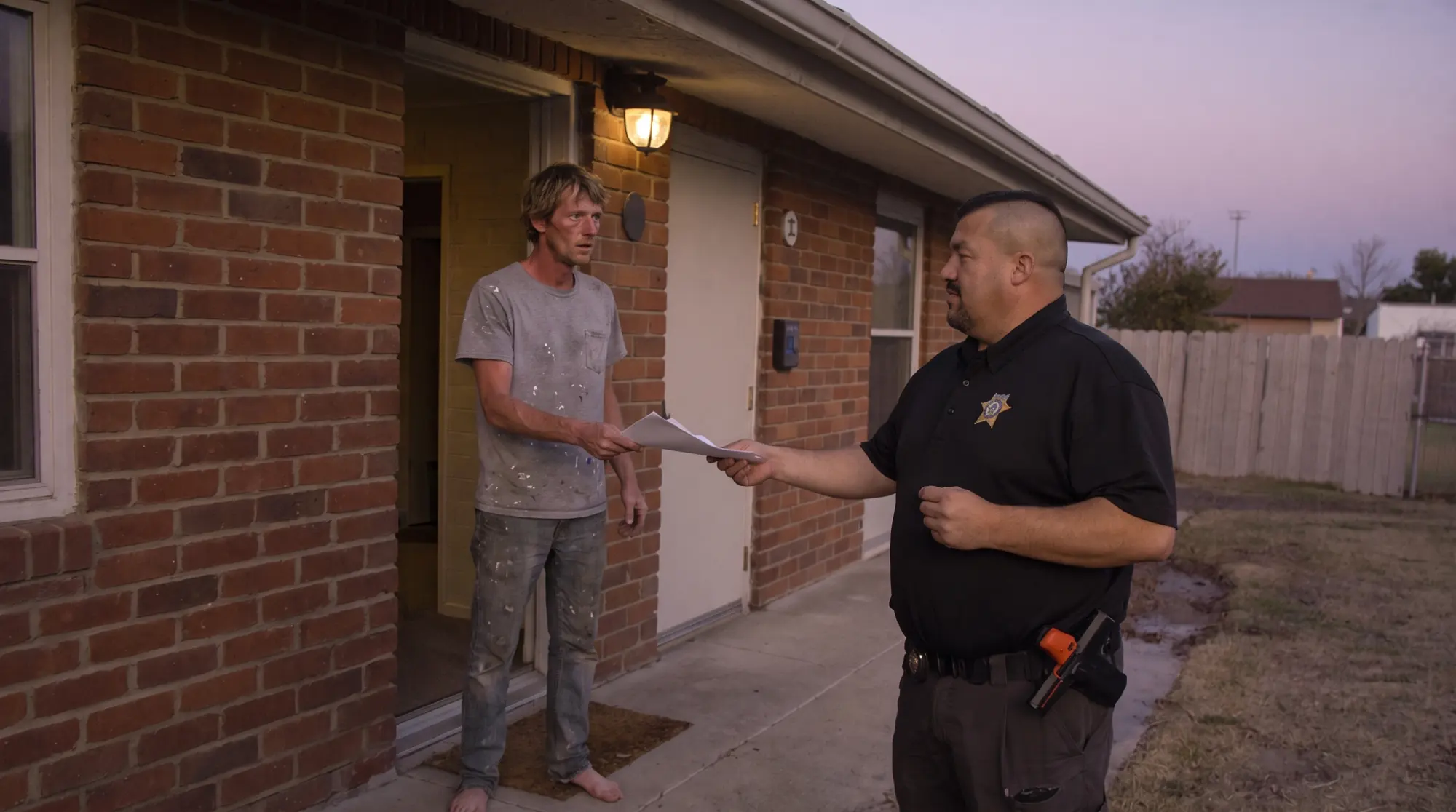
Avoiding service does not stop the case. Under Utah Rule of Civil Procedure 4, papers count as served when the server tells you what they are and offers them, even if you refuse to take them, and they can be left at your home with an adult who lives there. If you can’t be found, the court can approve another method, such as text, email or posting. If you don’t respond by the deadline in the papers, the court can decide the case without you.
How do I know the constable is real?
A real Utah constable tells you out loud that they are a constable, wears visible ID with their name and agency, and prints their name, county and business phone number on the first page of the papers (Utah Code 58-91-305). No real officer will ask you to pay by phone, gift card, wire transfer or cryptocurrency to stop an arrest. If you are unsure, look up the office’s number yourself and call it, or call the court clerk named on the papers.
Constable, sheriff or process server: what’s the difference?
Any adult 18 or older who isn’t part of the case can deliver a summons, complaint or subpoena, and that is all a private process server does. Court orders and writs, such as an eviction order or a garnishment, need an officer: a sheriff, a constable, another peace officer, or a licensed private investigator (Utah Code 78B-8-302). Only a sheriff or constable can carry out a lockout. Compare all three side by side.
Is it Wasatch Constables at my door?
If the card or papers name Wasatch Constables or Constable Matt Jennings, call our Murray office at 801-392-9400, weekdays 8:30 to 5, and have the name on the card ready. Matt Jennings is a Salt Lake County constable, and our deputies identify themselves and carry ID. If we already served you, read what to do after being served.
Need papers served instead?
Upload your papers and a sworn deputy takes it from there. Flat prices from $69, with a GPS-stamped return. Start on our Utah constable services home page, or read more guides on serving papers in Utah.
FAQs
Constable questions
Can a constable arrest me?
Only on a warrant, and only while working for the city or county that hired them (Utah Code 58-91-301). A constable delivering civil papers is there to hand them to you, not to arrest you over a debt. Ignoring a court order, such as an order to appear, is what can lead a judge to issue a warrant.
Do I have to call a constable back?
No law makes you call back, but it is usually easier if you do. Calling lets you arrange a time to meet a deputy and receive the papers instead of waiting for another visit. For your privacy, we don’t discuss what the papers are about over the phone. Not calling does not stop the case.
How do I find out what case a constable is serving?
Once you have the papers, the first page names the court and the case number, and the court clerk or MyCase can tell you the deadlines. For your privacy, we don’t say what the papers are about over the phone. Call the number on the card to arrange a time to receive them in person.
Ready to get your papers served?
Need a first attempt today? Choose Rush or Guaranteed and submit before noon Mountain Time on a weekday. Scheduling is subject to acceptance. After noon, call 801-392-9400.
Weekdays 8:30 to 5.