
Reviews
Join the clients behind 87,000+ papers resolved since 2010
Google review excerpts from Utah clients.
They sent the affidavit promptly and even filed the Return of Service with the court for me.

If I ever need Summons served again I wouldn’t hesitate for ONE second…

…they were great at giving me updates and helping me stay informed along the way.

71 five-star reviews on Google.
What does the Salt Lake County constable do?
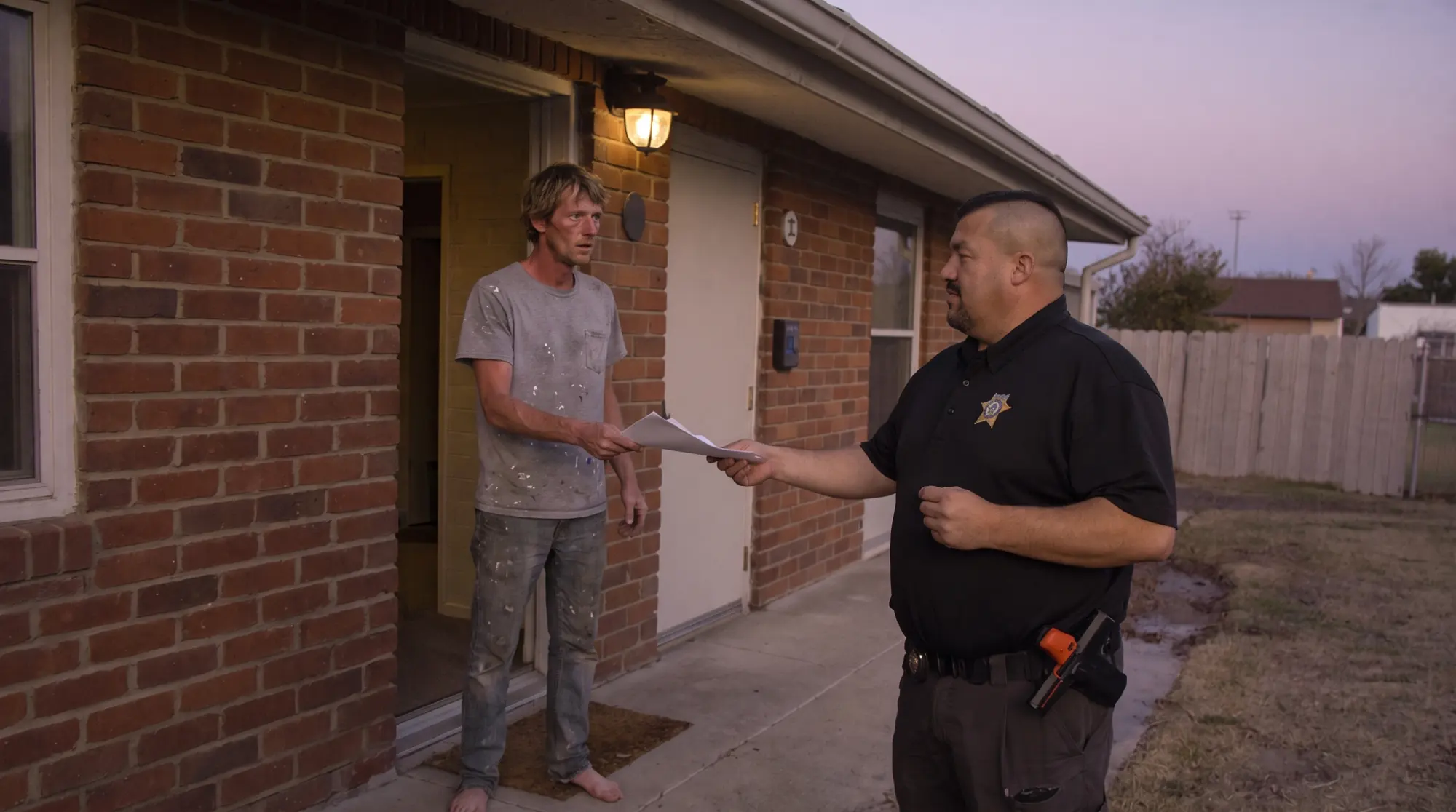
A Salt Lake County constable serves court papers and carries out civil court orders. Our deputies:
- Serve summonses, complaints, subpoenas, divorce papers and small claims papers anywhere in Utah
- Post eviction notices, serve eviction summonses, and carry out lockouts under an order of restitution (eviction services)
- Enforce writs of execution, garnishment and replevin, including taking and selling personal property (order enforcement)
- Find people who have moved with skip tracing
Utah law lets a constable serve civil process anywhere in the state (Utah Code 58-91-301), so a Salt Lake County constable is not limited to Salt Lake County.
How is a Salt Lake County constable chosen?
Salt Lake County’s Constable Nominating Commission reviews each constable, and the County Council votes to approve them. On June 10, 2025, the Council unanimously approved Matthew Robert Jennings as a Salt Lake County constable (council agenda record). South Ogden City also selected him as its city constable on October 7, 2025. Under Utah law the county signs a contract with each constable for up to four years (Utah Code 17-78-601), and starting January 1, 2027 every constable needs a state license from the Division of Professional Licensing.
Constable, sheriff or private process server?
Any adult 18 or older who isn’t part of the case can deliver a summons or subpoena, and that is all a private process server does. Eviction orders and writs need an officer, and only a sheriff or constable can carry out a lockout. The Salt Lake County Sheriff’s civil division does this work too; a constable is a separate officer the county selects. See how Utah providers compare, or read what a constable is, or see who can do what.
What does it cost?
Process service is a flat price: Standard $69, Priority $95, Rush or same day $129, and Guaranteed $249. Evictions: notice posting $64, eviction summons $85 and lockout $99. Order enforcement is $199. There is no mileage or attempt fee in Salt Lake, Utah, Davis and Weber counties. See every price.
Where is the Salt Lake County constable’s office?
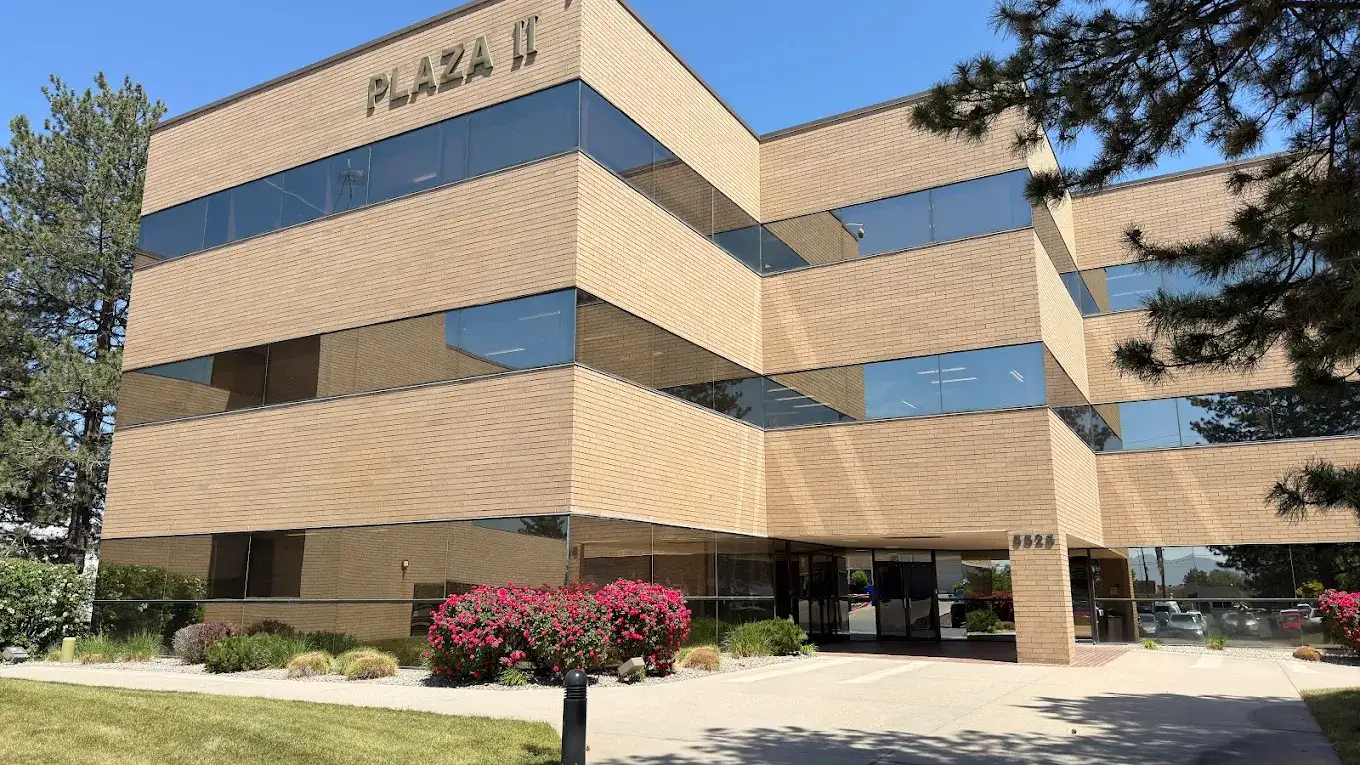
Wasatch Constables is at 5525 S 900 E, Suite 110, in Murray, in the Sports Mall Plaza II building. The office is open weekdays from 8:30 to 5. Call or text 801-392-9400, or upload your papers online any time.
Have papers to serve?
Upload them and pick a speed. You see your total before you pay. You can also compare speeds and prices on our home page.
FAQs
Salt Lake County constable questions
Is there more than one Salt Lake County constable?
Yes. Salt Lake County approves several constables, and each runs a separate office. In June 2025 the county’s nominating commission reviewed five of them. Wasatch Constables is Constable Matt Jennings’ office in Murray.
Can a Salt Lake County constable serve papers outside the county?
Yes. Utah law lets a constable serve civil process anywhere in the state (Utah Code 58-91-301). Before seizing property outside the county that selected them, a constable checks in with local law enforcement first (Utah Code 17-78-603).
Is a constable the same as the sheriff?
No. The Salt Lake County Sheriff’s Office has its own civil division that also serves papers and enforces orders. A constable is a separate officer the county selects. Both can carry out evictions and writs on personal property, but only the sheriff handles writs against land or a house.
Can you serve today?
Upload before noon on a weekday with Guaranteed and a deputy attempts service the same day.
Ready to get your papers served?
Need a first attempt today? Choose Rush or Guaranteed and submit before noon Mountain Time on a weekday. Scheduling is subject to acceptance. After noon, call 801-392-9400.
Weekdays 8:30 to 5.